

What Does CBD Really Taste Like? A Look at Hemp’s Natural Flavors
Bitter, earthy, and sometimes surprising, the taste of CBD is as intriguing as it is divisive. Behind this raw flavor, however, lies a rich aromatic palette, derived from hemp and its terroir. Join us for an unfiltered exploration, Cali Weed style.
Things to remember
- The flavor of CBD comes directly from the natural terpenes in hemp.
- Each form of CBD offers a different taste experience.
- The quality of cultivation and extraction makes all the difference on the palate.
The taste of CBD: a natural signature derived from hemp
Let’s be clear from the start: CBD is no candy. It has a raw, plant-based taste —sometimes even earthy. And that’s exactly what makes it unique!
CBD comes from hemp, a hardy, aromatic plant steeped in history. On the palate, this translates to green, herbaceous notes , sometimes reminiscent of dry hay or freshly cut plants.
This taste may come as a surprise at first, especially if you prefer or expect sweeter or more flavorful notes. But over time, many people learn to recognize—and even appreciate—the taste of cannabidiol. Much like a strong espresso or a hoppy IPA, it really comes down to personal preference.
In our Cali Weed products, we embrace that authentic quality. The natural taste of CBD speaks to the plant itself—and that’s what we love!
Terpenes: The Real Source of Aromas
If CBD has a taste, it’s not the cannabidiol itself that gives it that taste, but the terpenes. These aromatic molecules are found in hemp, as they are in many plants. They are what give CBD its aromatic nuances.
Depending on the variety of hemp used, you may detect woody, citrusy, spicy, floral, or even slightly peppery notes. Each terpene profile is unique, influenced by genetics, soil, climate, and the time of harvest.
Why does the taste vary so much from one CBD product to another?
Two CBD products may have the same CBD content but offer a completely different taste experience. This variation is due to several factors, such as the hemp strain, the cultivation method, the extraction process, and the final processing stage.
CBD derived from a plant grown outdoors will not taste the same as CBD grown indoors. A gentle extraction method will preserve more of the aromas than a process that is too harsh.
Each form of CBD has its own flavor profile
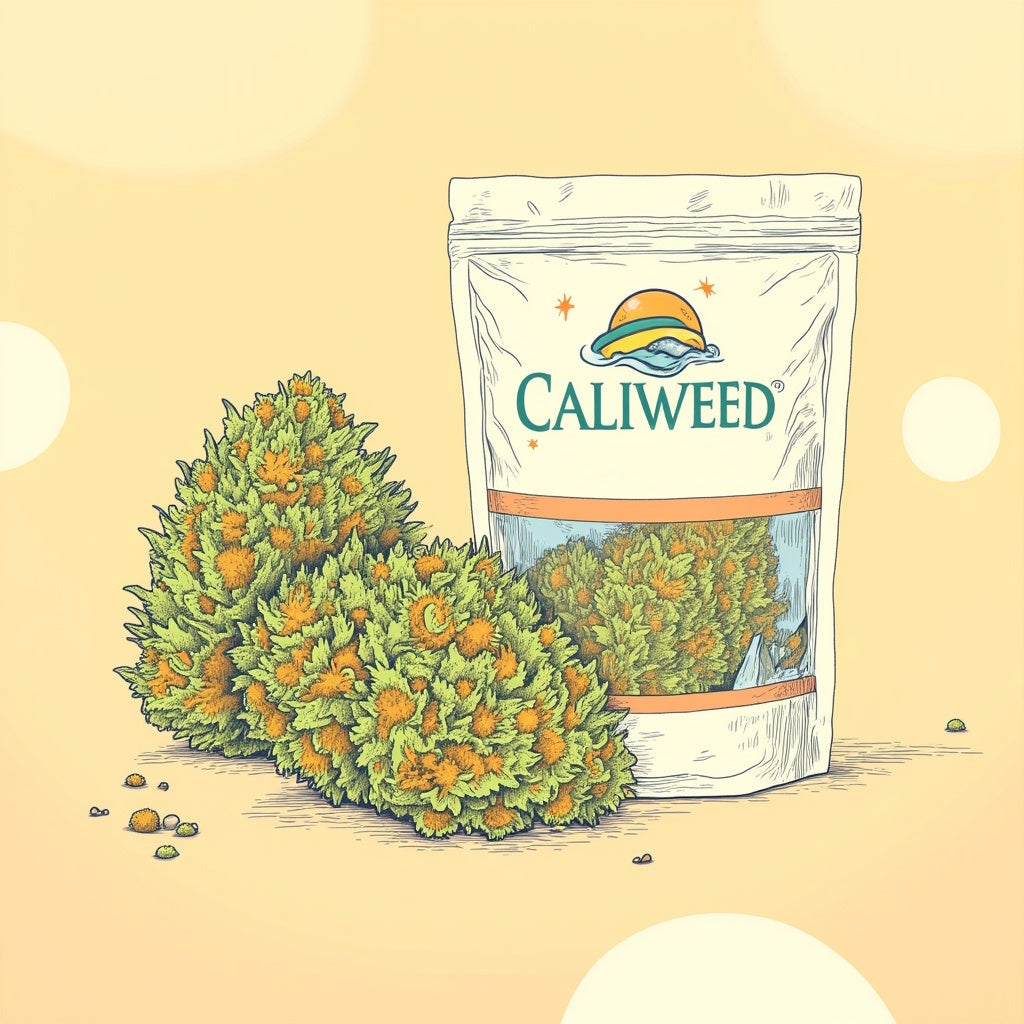
CBD flowers: the purest form of hemp
CBD flowers are undoubtedly the most aromatic form. They represent hemp in its purest form. The flavors are often intense, herbal, and sometimes resinous, with real aromatic depth.
Some varieties of CBD flowers develop citrusy or floral notes, while others lean toward woody, pine, or spicy flavors. The taste depends heavily on genetics, but also on curing—the drying and aging process.
For those who love natural sensations, flowers are often the gold standard. It’s the original form of CBD.
CBD oils: from bitter to mellow
CBD oils offer a unique taste experience. Their flavor depends on both the hemp extract and the carrier oil used. Hemp oil accentuates the herbal notes, while MCT oil tends to mellow the overall flavor.
On the palate, there is often a characteristic bitterness, especially in full-spectrum oils. This bitterness is normal; it indicates the presence of natural compounds found in hemp. Broad-spectrum and isolate CBD oils, on the other hand, are generally more neutral in flavor, sometimes almost bland. This is a deliberate choice for those who want the effects without much taste.
Resins, hash, and other concentrates
CBD resins have a richer flavor profile. The taste is often rounder and warmer, with resinous and spicy notes. It’s a more enveloping, old-school experience that clearly evokes the heritage of traditional cannabis.
The terpene concentration is often higher in this form, which explains its rich aroma. For some, this is the most pleasant form in terms of taste, as the bitterness is better balanced by the aromatic depth.
Why do some people think CBD tastes bad?
People often dislike the taste of CBD because their expectations are unrealistic. Many expect it to taste mild or sweet. However, CBD is neither a dessert nor an artificial flavoring.
Individual sensitivity must also be taken into account. Some palates are more sensitive to bitterness or earthy notes. In such cases, products enriched with specific terpenes or milder varieties may be a good place to start.
Finally, low-quality CBD—whether poorly extracted or improperly stored—can develop an unpleasant taste that has nothing to do with the hemp itself.
Getting used to the taste of CBD over time
Like many natural products, CBD takes some getting used to, according to the team at Cali Weed. The more you’re exposed to it, the better you learn to recognize its nuances. What seemed too strong at first becomes more manageable, almost familiar.
It’s also a matter of context and ritual. Taking CBD calmly and mindfully changes your perception. You no longer just endure the taste—you explore it.
Here are the main flavor profiles found in natural CBD:
- Herbal and grassy notes;
- Woody or resinous notes;
- Lemony, floral, or spicy notes.